Start with a calm, simple plan
Picture a sponge dropped into a sink. It fills in seconds, but it takes a long time to dry out. Your drywall, floors, and cabinets behave the same way. A spill that looks small on the surface can leave a lot of moisture hiding inside.
Performingranks Restoration is a referral service. It does not send out crews or do the repairs. What it does is connect homeowners in the Volusia and Flagler County area with independent local providers who handle emergency water damage repair, water extraction, and structural drying.
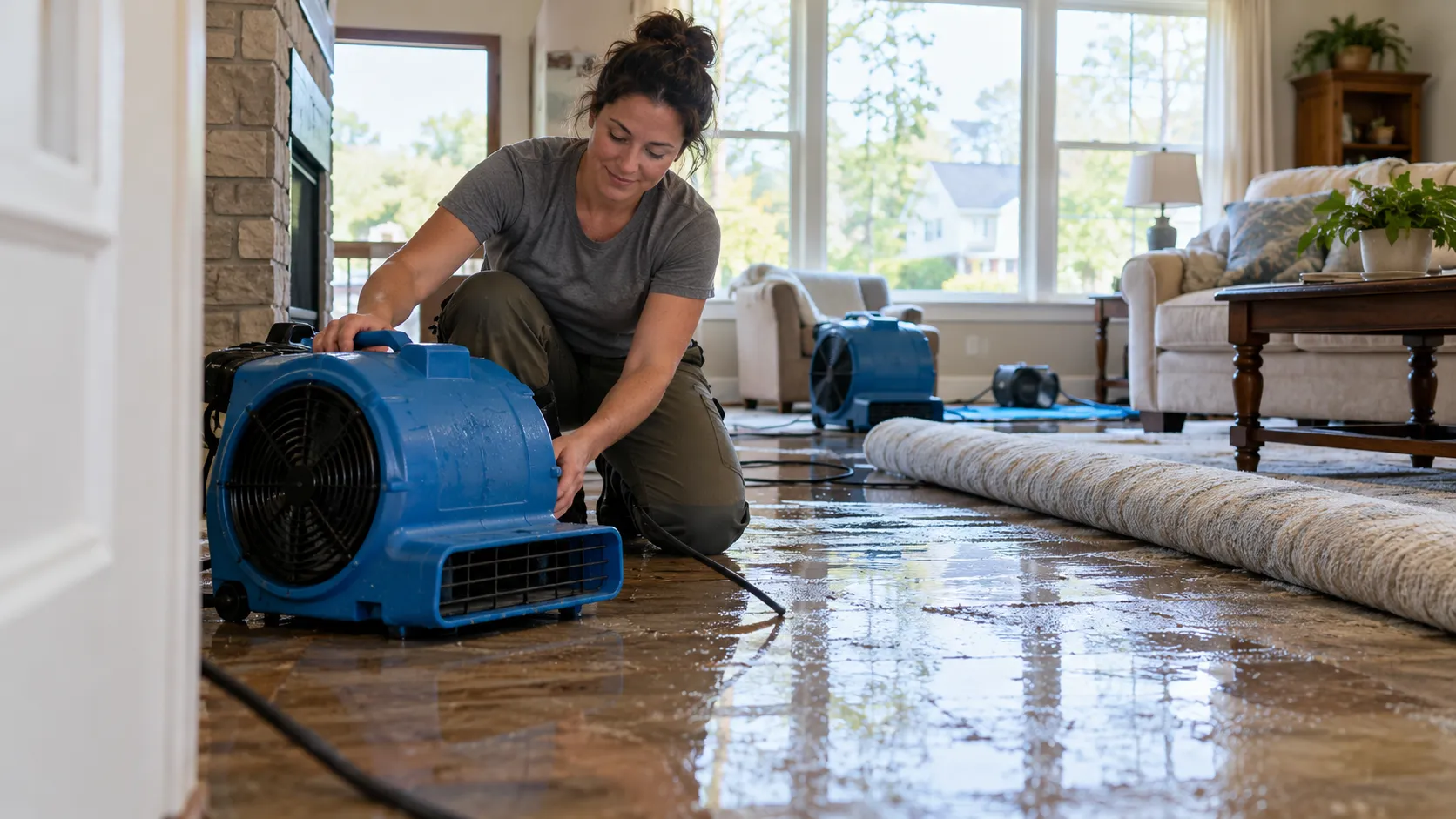
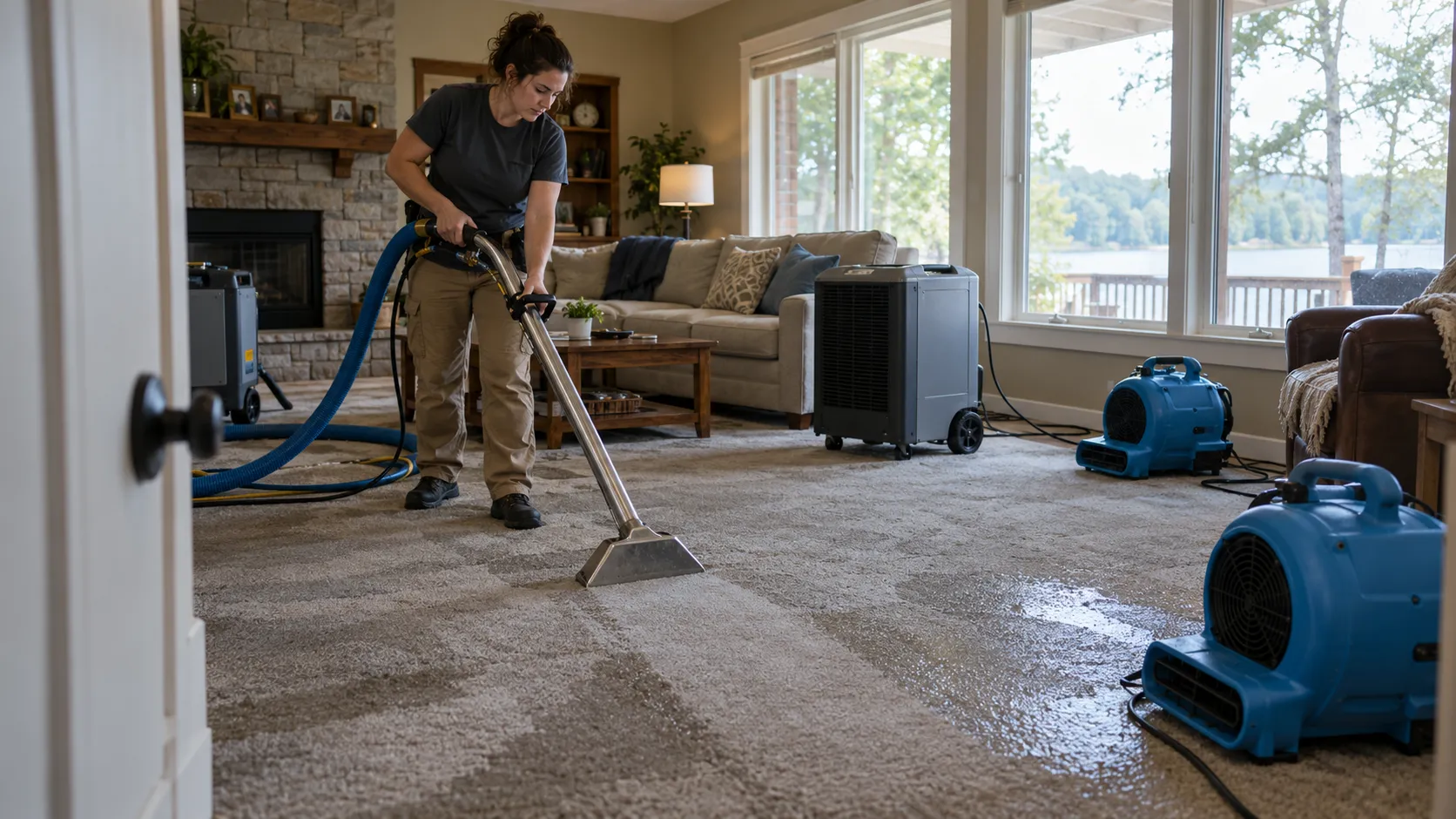
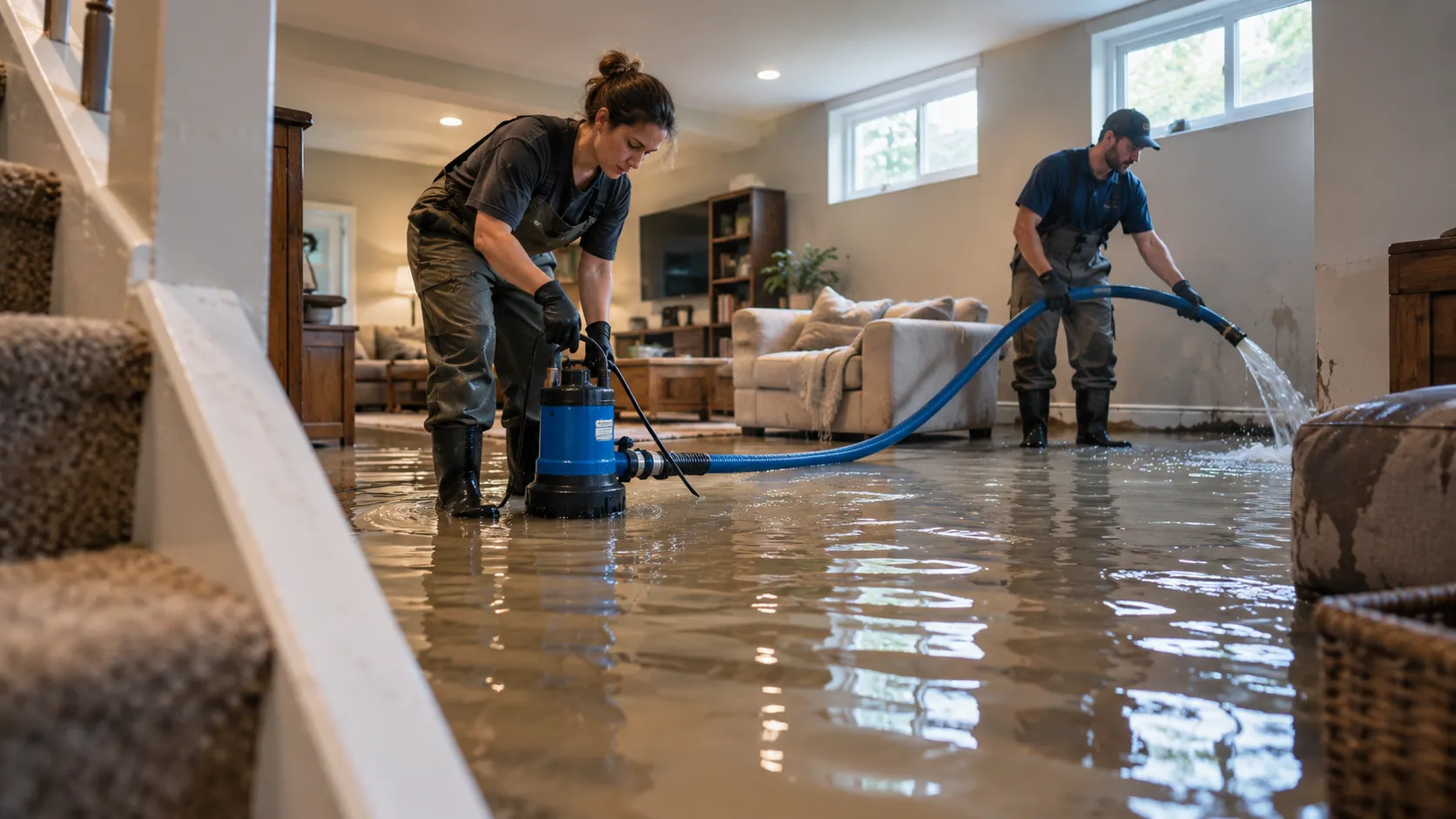
If this is your first time dealing with water in the house, that is completely normal. You can shut off the water if it is safe, move small items out of the wet area, and take photos. Then a provider can bring the pumps, meters, and drying equipment that a household simply does not own.
Many providers can respond quickly, but availability differs from one to the next. Request a callback to check provider availability and ask what to do while you wait.
Get Started
Would you rather put your details in writing first? You can ask for an estimate instead, with no obligation.
How it works
What Performingranks Restoration actually is
Think of a good directory at a hardware store. It does not fix your sink, but it points you to someone who can. Performingranks Restoration works in a similar way. It is a referral service, and the independent providers in our network do the hands-on work.
The simple path from call to repair
First, you call or request an estimate and describe what you see. Second, you are connected with a local provider who can talk about your situation. Third, the provider explains what they would do, what it may involve, and what a written quote looks like. You decide whether to move forward.
Where you can help, and where you should stop
A homeowner can safely do a few things. Turn off the water at the main valve if the leak is from a pipe. Move rugs, books, and furniture out of the wet area. Open windows only when the air outside is drier than inside. Take clear photos and videos for your records.
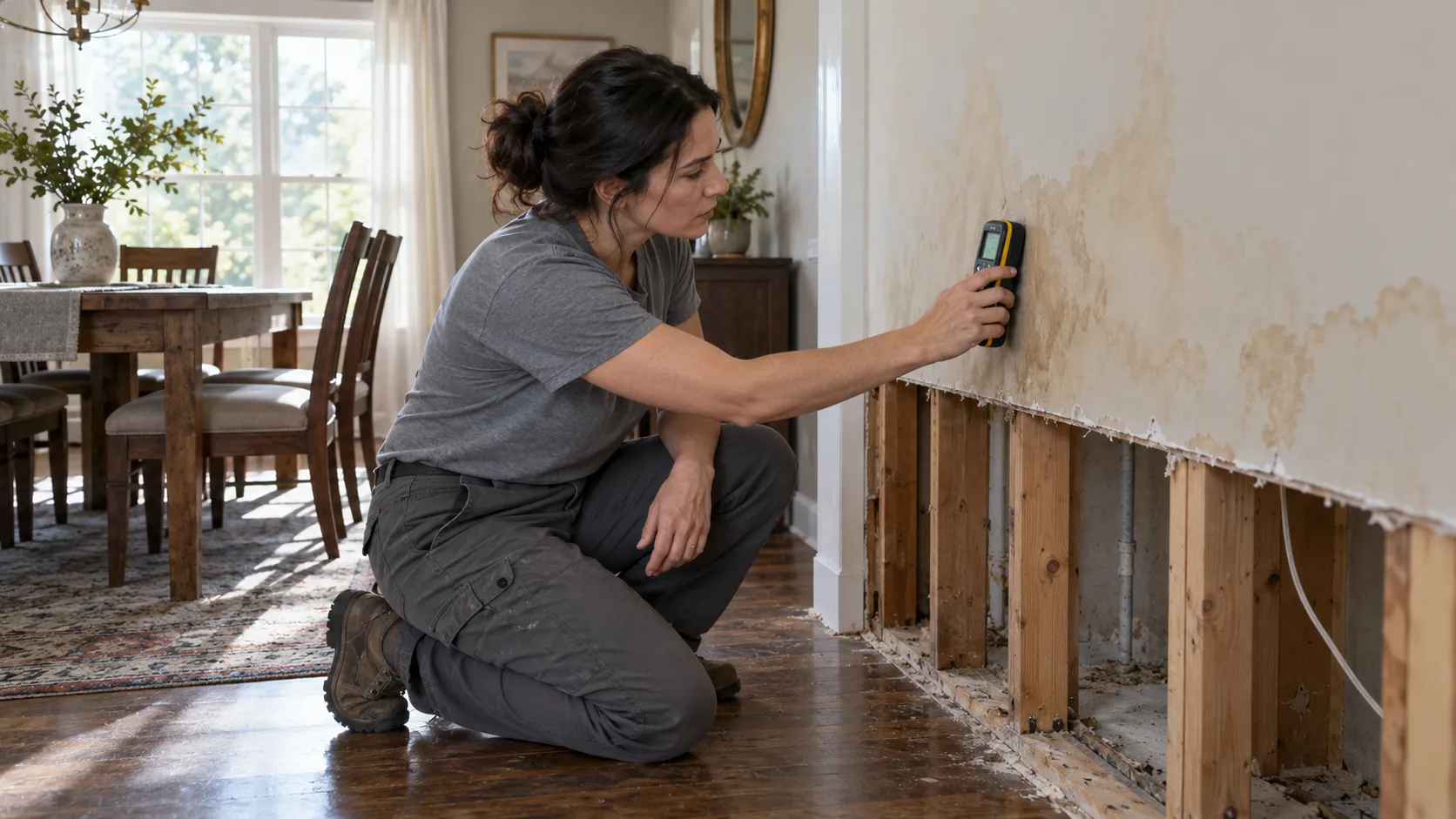
Some jobs are better left alone. Standing water near outlets can be dangerous. Soaked insulation, wet drywall, and water trapped under flooring need meters and drying equipment to find and remove. A fan from the garage is like using a hand towel on a flooded kitchen floor: it helps a little, but it cannot finish the job.
A note for first-timers
It is fine to ask basic questions. Ask what the provider will do, how long drying usually takes, and what the written quote covers. A good provider is happy to explain.
Serving homes across the Volusia and Flagler County area
Homes in Daytona Beach and the rest of the Volusia and Flagler County area deal with a particular mix of weather. Think of the air in a bathroom after a hot shower. In this climate, the air outside can feel like that for much of the year. Moisture lingers, and wet materials dry slowly.
Many homes here are concrete block on a slab, with tile or shingle roofs. There are few basements, so water often spreads across a single level and into the walls and flooring. Many neighborhoods were built between the 1970s and 2000s, and condos share walls, ceilings, and plumbing. A leak next door can become your problem.
Because conditions differ, providers in the network know the local building styles and the seasonal storm patterns. Ask the provider about the building type you live in. The answer shapes the drying plan.
If you are not sure whether your situation needs a professional visit, request an estimate and describe what you see. There is no obligation to continue.
Get Started
You can also ask about provider availability for your part of the Volusia and Flagler County area when you request an estimate.
What homeowners here should know
Why humidity changes everything
A damp towel dries quickly on a breezy day and stays wet in a steamy bathroom. The same thing happens inside a house. When outdoor humidity stays high, wet materials hold their moisture much longer, and that gives mold more time to start.
Summer storms and roof leaks
Almost daily summer storms can reveal weak spots. A loose shingle, a cracked tile, or worn flashing can let rain seep in. Stains on a ceiling are a warning that water is already above the drywall.
Hurricane season, June to November
Before a big storm, know where your main water shutoff is and keep photos of your home as it is today. After a storm, avoid walking through water you cannot see through. It may touch electrical lines.
Slab homes and hidden pipe leaks
In a concrete block home on a slab, many pipes run under the floor or inside walls. A hidden leak may show up as a warm spot on a tile floor, a musty smell, or a water bill that jumps. These need a professional to locate.
Condos and shared walls
If the water comes from a unit above or beside you, tell the property manager or association early. A provider can also help document the damage for your records.
Insurance and paperwork
Some policies may cover sudden damage, but not all of them do. Check your policy, take photos, and keep receipts. Providers can often help document damage for a claim, though your insurer makes the final decision.
What the work may cost
In the U.S., small jobs may run a few hundred dollars, while larger floods with extensive drying can reach several thousand dollars or more. Costs vary by job. Always ask for a written quote before work begins.
When to call right away
Call if the water is deep, if it came from a sewage line, if you smell mold, or if it has been sitting more than a day or two. Waiting rarely makes it smaller.
Ready when you are
You do not need to know the right words. Tell us what you see, where it is, and how long it has been there. The person on the line will explain the next step in plain language.
Get Started
If you prefer, you can request an estimate and a local provider can follow up. Either way, you are not committing to anything. Request a callback to check provider availability for your address.