Need flooded basement cleanup in Daytona Beach?
Not sure where to start? Request a callback to check provider availability, or request an estimate. There is no obligation, and your questions are welcome.
No obligation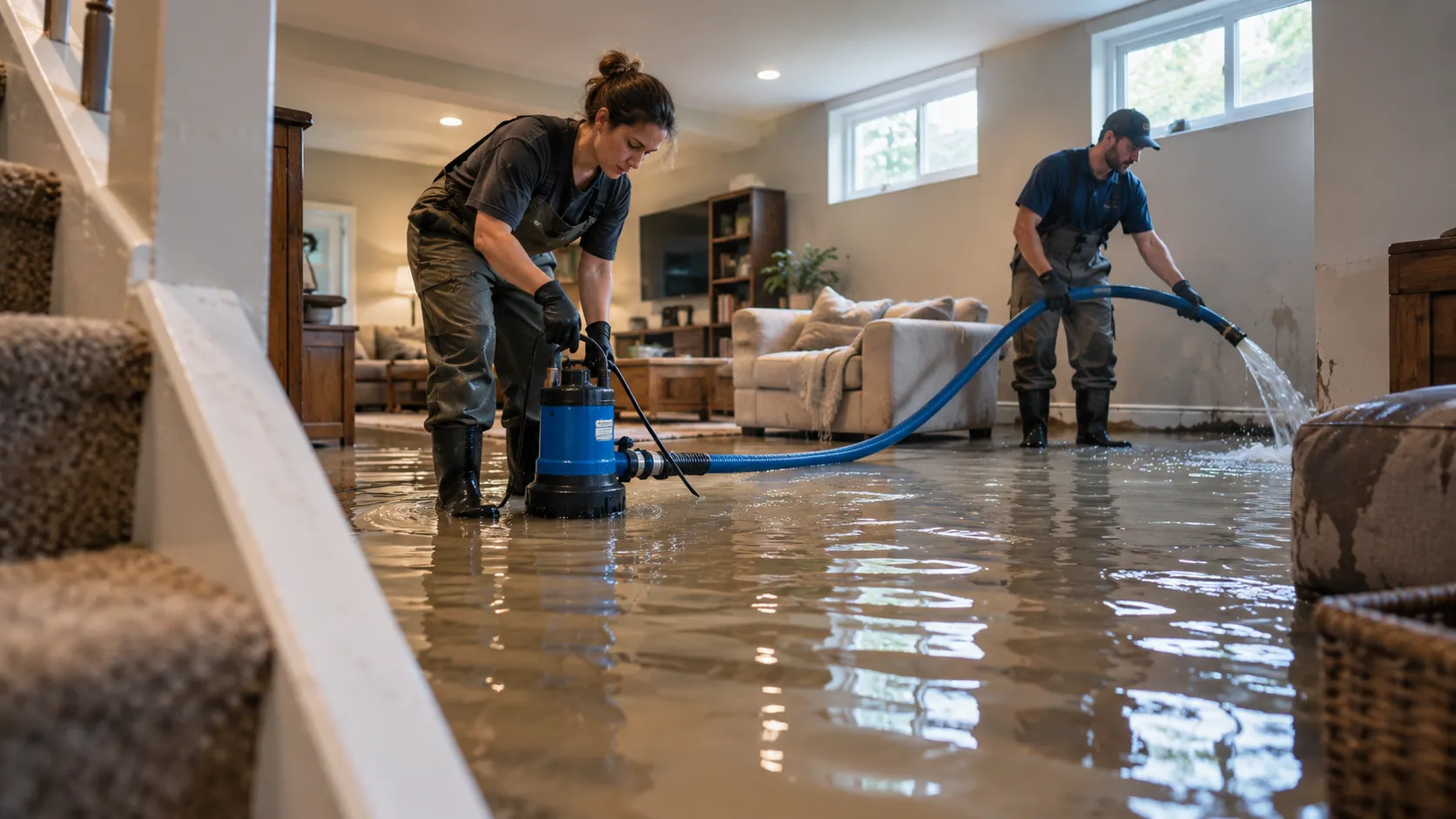
Finding water in your basement, lower-level room or sunken garage is a shock, especially if it has never happened before. Take a breath. The water is a problem you can sort out one step at a time.
Performingranks Restoration is a referral service. The cleanup itself is not something we do. We explain what is going on in plain words, show you the few safe things you can do yourself, and connect you with an independent provider in our network who has the pumps, dryers and training for the rest. Many providers can respond quickly. Request a callback to check provider availability, or request an estimate if the water has already stopped.
Think of a flooded basement like a pot of boiling water. You can see it is hot, but you cannot see how hot. Water hides risks too. Before you step in, stop and look.
If water touches outlets, cords or the electrical panel, stay out. Do not wade through it. If you smell gas, leave the house and call your gas company from outside. Deep water can also hide sharp objects and slippery stairs.
There is plenty a homeowner can do. If the power is off and the water is shallow and clean, you can help while you wait for a provider.
That is where the do-it-yourself list ends for most floods.
Providers sort water into three kinds, much like sorting laundry. Clean water comes from a broken supply line or a leaking tank. Gray water comes from a washer or dishwasher and carries some soap and dirt. Black water comes from sewer backups or outdoor flooding and carries germs.
The source matters because it decides what is safe to touch. Clean water may be a careful DIY job if it is small. Gray and black water need protective gear and proper disposal.
Picture a sponge dropped in a bowl. It keeps pulling water up long after you lift it out. Drywall, carpet and wood do the same thing, slowly climbing higher than the visible waterline.
In a warm, humid climate, mold can start to grow in as little as a day or two. Wet wood can swell and warp. Quick action keeps a small cleanup from becoming a big rebuild.
Know your limits. Call a local provider if any of these are true:
A wet-dry vacuum from a hardware store is built for spills, not floods. A pro unit moves far more water, far faster.
Think of it as emptying a bathtub, then scrubbing it, then letting it dry. A provider follows the same order, just with stronger tools.
Truck-mounted or portable pumps remove deep water first. Going slowly matters, because pulling water out too fast can stress walls and floors.
Soaked carpet, padding, insulation and low drywall often have to go. Pores in these materials hold water and germs, and they rarely dry in time.
Hard surfaces get cleaned and treated, especially after gray or black water. This step protects your family's health.
An unfinished space with a bare slab is like a garage floor. Water is easier to pump and the concrete dries well. A finished space with carpet, framed walls and a ceiling is more like a layered cake. Water slips between the layers, so more has to be opened up and checked.
Many homes in the Volusia and Flagler County area have no true basement, but lower-level rooms, sunken spaces and garages can flood the same way.
A dry floor is not a dry house. Moisture hides inside walls and under flooring, then rises into the air. Providers place air movers and dehumidifiers and use moisture meters to confirm the readings are back to normal.
This matters even more in humid weather, when the air already holds a lot of water. Drying can take several days, so patience pays off.
Once things are dry, you can plan repairs. Ask the provider what was removed and what needs replacing, such as drywall, trim or flooring. Keep an eye out for musty smells or new stains over the next few weeks. Those signs mean moisture is still hiding somewhere.
If the flood came from a repeat cause, such as a failed sump pump, gutters that dump water by the wall, or poor yard grading, fix that too.
Sort items into three piles: keep, clean and toss. Hard items like plastic bins, metal tools and glass usually clean up well. Porous items like cardboard, upholstered furniture and mattresses that sat in dirty water are often not worth saving.
Photograph everything before you throw it out. Some policies may cover sudden damage, so check your policy. Providers can often help document damage for a claim.
Asking questions is normal, especially the first time. Try these:
Request a callback to check provider availability, or request an estimate if you want to compare options first.
Pumps clear standing water from the floor so drying can begin safely and steadily.
Soaked carpet, padding and low drywall are taken out before they spread moisture and mold.
Hard surfaces are cleaned and treated, which matters most after sewage or storm water.
Moisture meters confirm walls and floors are truly dry before repairs begin.
Costs vary by water depth, water type, size of the space and how much has to be removed. These are typical U.S. ranges, so always get a written quote.
| Item | Typical range | Notes |
|---|---|---|
| Water pump-out | $250 – $1,000 | Depends on depth and area |
| Small clean-water flood cleanup | $1,000 – $3,000 | Quick response keeps it smaller |
| Larger or finished space cleanup | $3,000 – $8,000 | More materials to open and dry |
| Sewage or storm water cleanup | $3,000 – $10,000+ | Needs protective gear and disposal |
| Drying equipment and monitoring | $800 – $2,500 | Often priced per day of use |
| Mold testing or treatment | $500 – $4,000 | Only if growth is found |
Keep out of the water if power is on, gas is present, or the water is deep.
Tell Performingranks Restoration what happened and we connect you with a local provider.
The provider removes water, takes out ruined materials and cleans the space.
Equipment dries the space, readings confirm it, and then repairs can start.
Providers in our network know the storms, soil and building styles around the Volusia and Flagler County area.
We explain what is happening in plain words before you talk to anyone.
Call or request an estimate and Performingranks Restoration points you toward an independent provider.
You can ask questions and compare options without any pressure to commit to a job.
Not sure where to start? Request a callback to check provider availability, or request an estimate. There is no obligation, and your questions are welcome.
No obligationYou can handle a very small spill of clean water if the power is off. Anything deep, dirty, or soaked into walls and carpet needs a professional's pumps, protective gear and drying equipment. When in doubt, call a local provider and ask.
Mold can begin within a day or two, faster in warm, humid weather. Drying the space quickly and fully gives mold less to feed on, so calling a provider early helps.
It depends on your policy and the cause. Some policies may cover sudden damage, while flood from rising water often needs separate coverage. Check your policy, and ask a provider to help document the damage.
Not sure where to start? Request a callback to check provider availability, or request an estimate. There is no obligation, and your questions are welcome.
No obligation